Redesigning HRMS for Better Talent Management & Acquisition
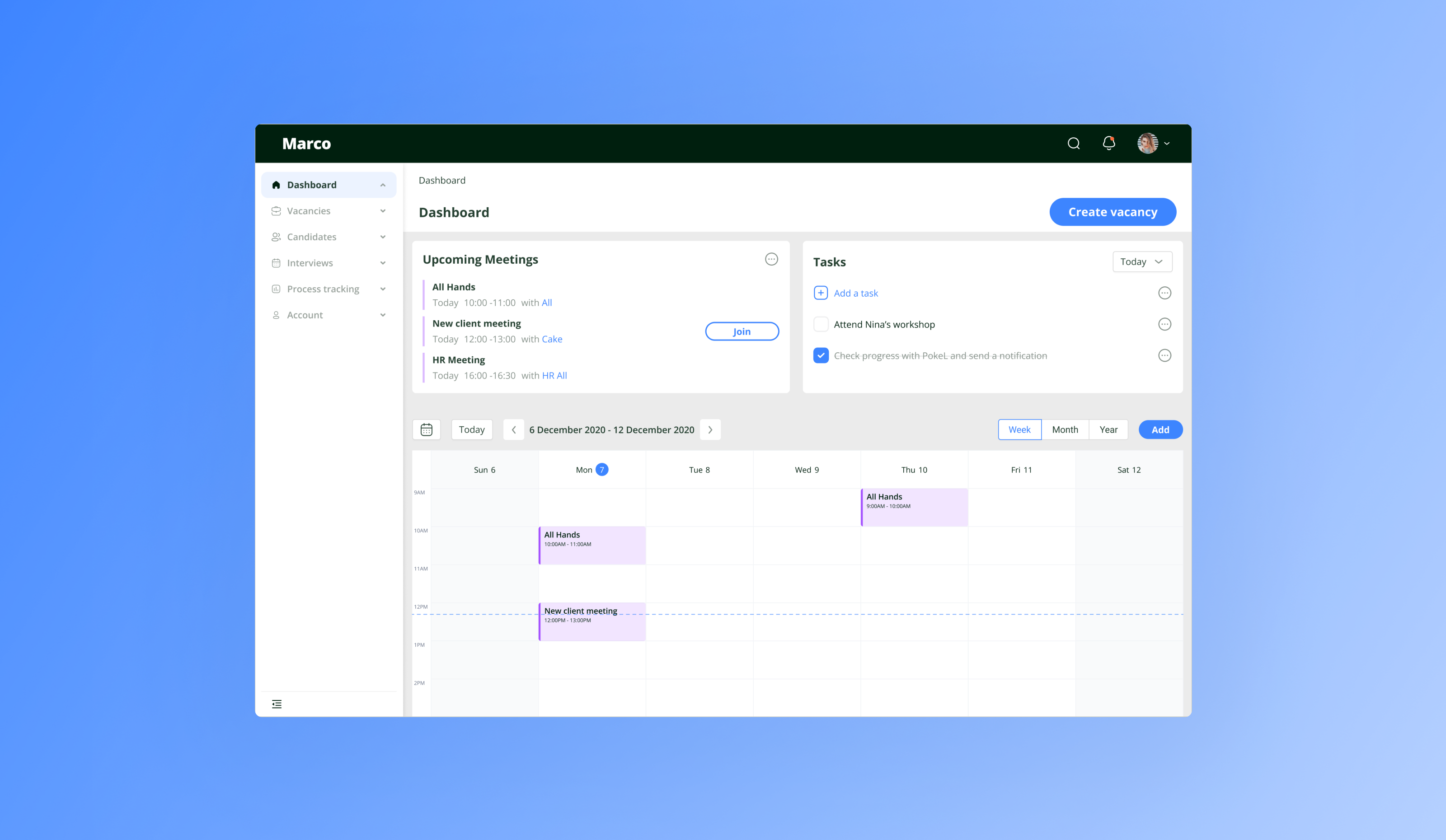
My Contributions
- Led the end-to-end design process, from research and ideation to wireframing, final design, and testing.
- Conducted user research, including user surveys, empathy mapping and user testing to gather insights and inform design decisions.
- Collaborated with cross-functional teams, including developers, Company CTO and Talent Acquisition Manager, to ensure the design aligned with business goals, user needs and technical feasibility.
- Created a style guide to maintain design consistency across the platform.
- Created prototype and interactive prototype to test final design.
- After few iterations and testing, presented design and final deliverables to stakeholders for final approval.
Project Overview
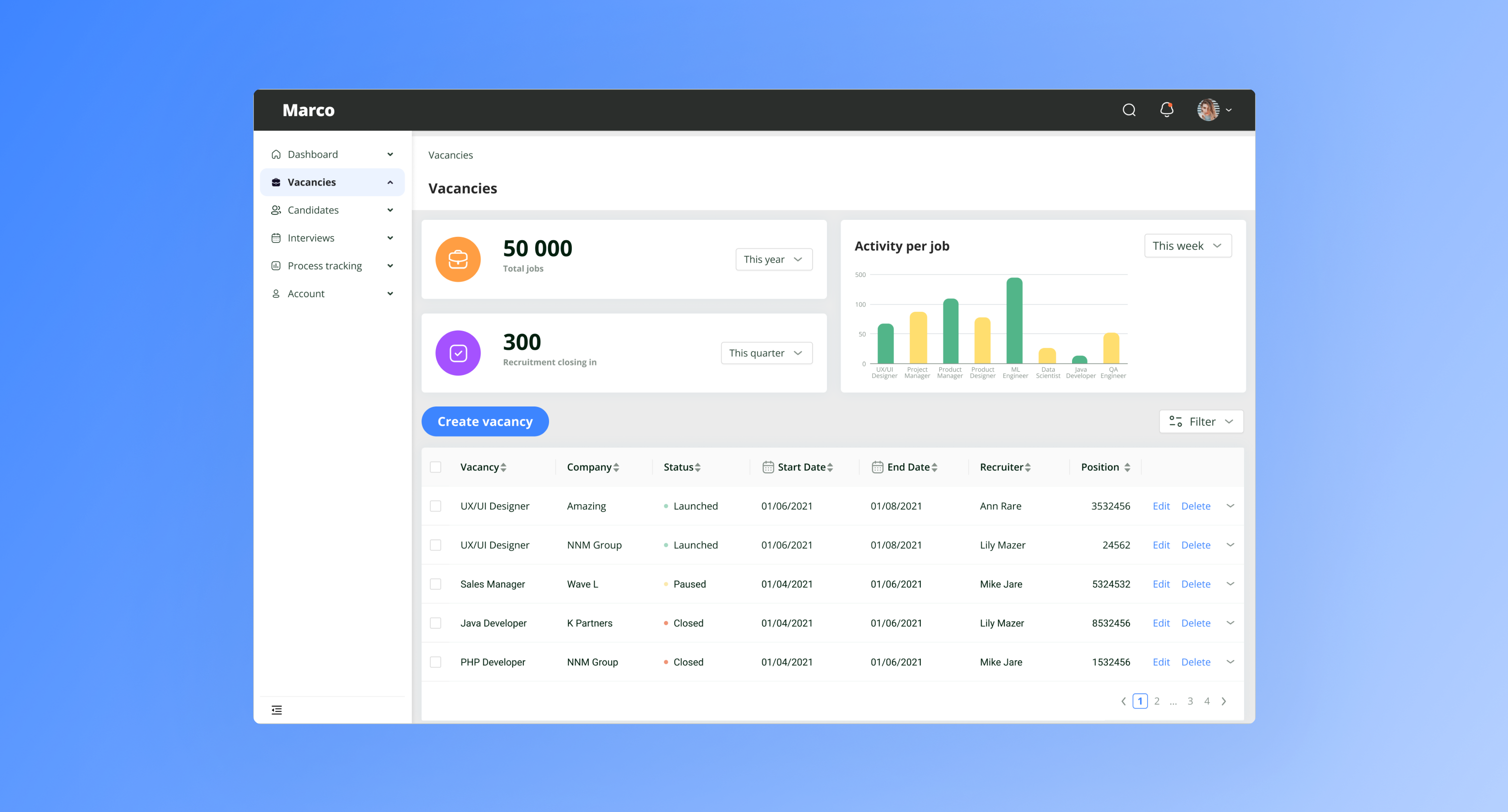
Initially hired for a small project at a recruitment company, I started working on redesigning their entire HRMS SaaS platform. The challenge: improve usability, simplify processes, and reduce errors for B2B clients in the high-tech industry.
My process included stakeholder interviews to understand core problems, user surveys to identify pain points, and empathy mapping to gain deeper insight into user needs. I then restructured the information architecture, optimized workflows, and created wireframes and prototypes for testing.
The result: a streamlined platform that enables HR professionals to manage recruitment and talent more efficiently, significantly reducing task complexity and improving overall effectiveness.
*Disclaimer: The company name and specific project details have been modified due to NDA restrictions. However, all design work and outcomes presented reflect the original project accurately.
Problem
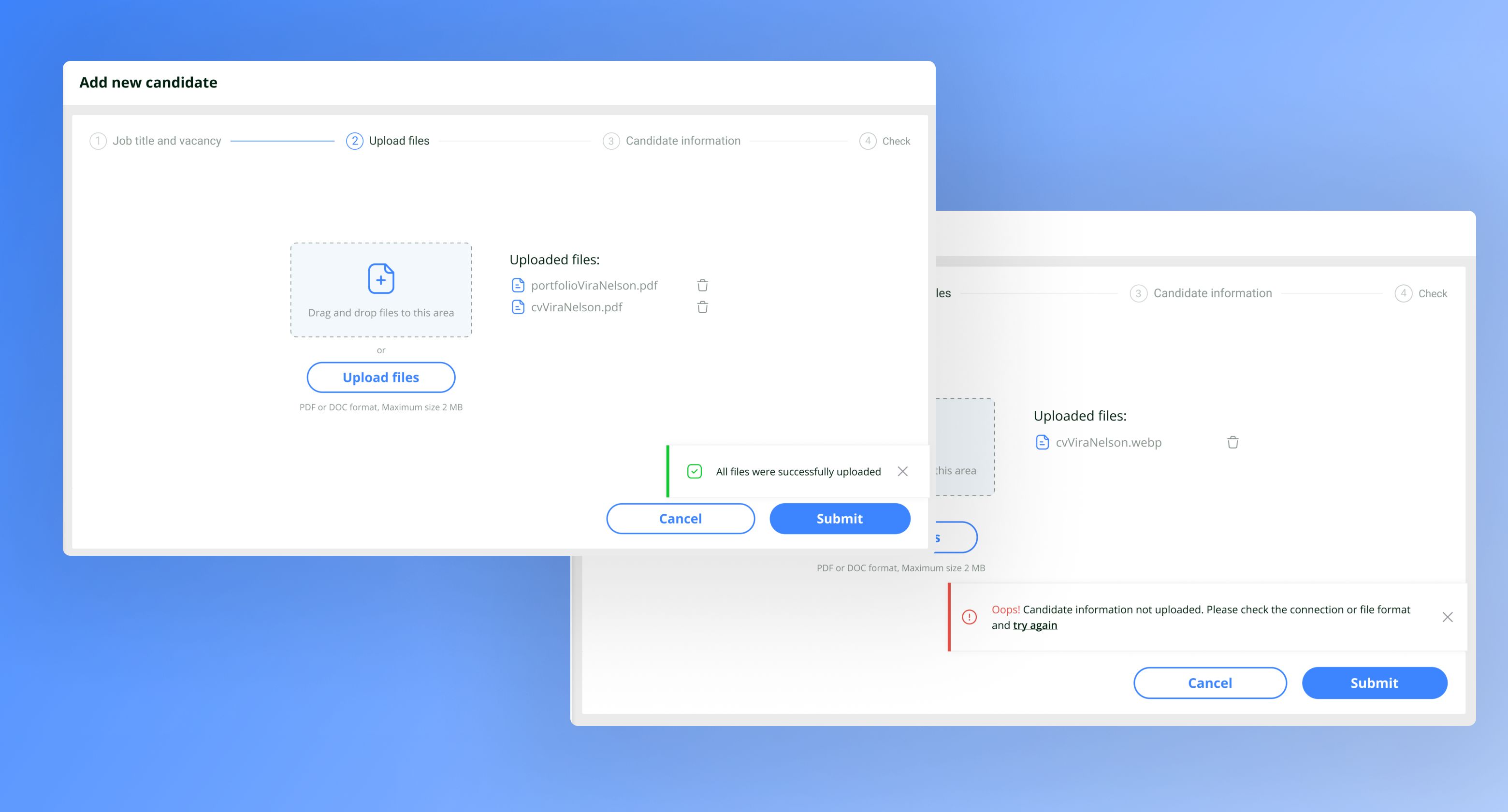
HR professionals struggled with an unintuitive HRMS platform where 9 out of 10 users described it as "inconvenient" and "not user-friendly." Recruiters struggled to complete basic tasks, spending unnecessary time navigating complicated interface instead of focusing on candidate management.
Solution
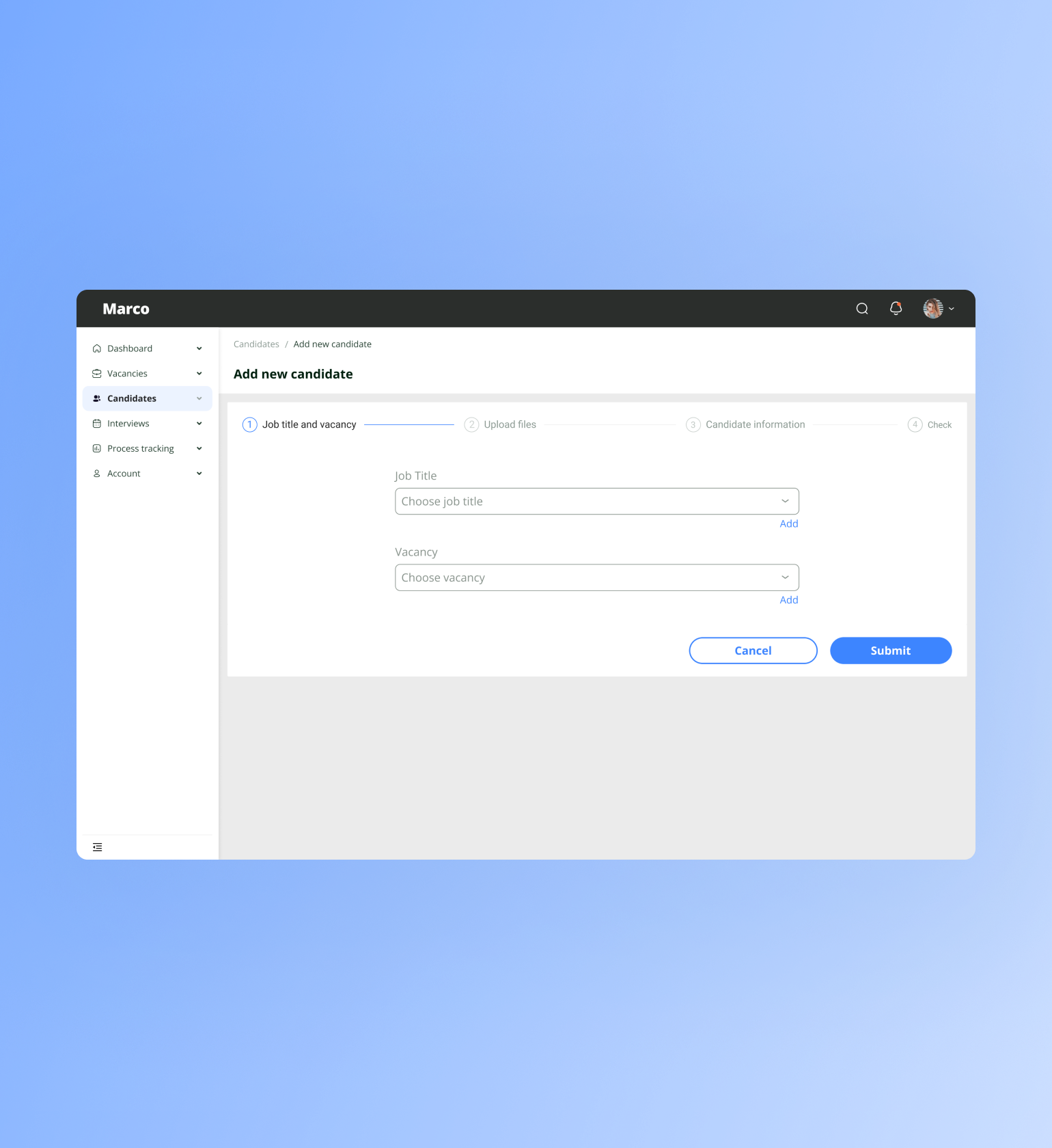
After the redesign, I measured task completion times through usability tests with 5 selected users. I also evaluated user satisfaction by conducting surveys. By comparing pre- and post-redesign responses, I found that the simplified navigation, improved workflow, reduced errors, and new customization features led to 30% reduction in task completion time and a 25% increase in user satisfaction, significantly enhancing the overall user experience.
Lessons Learned
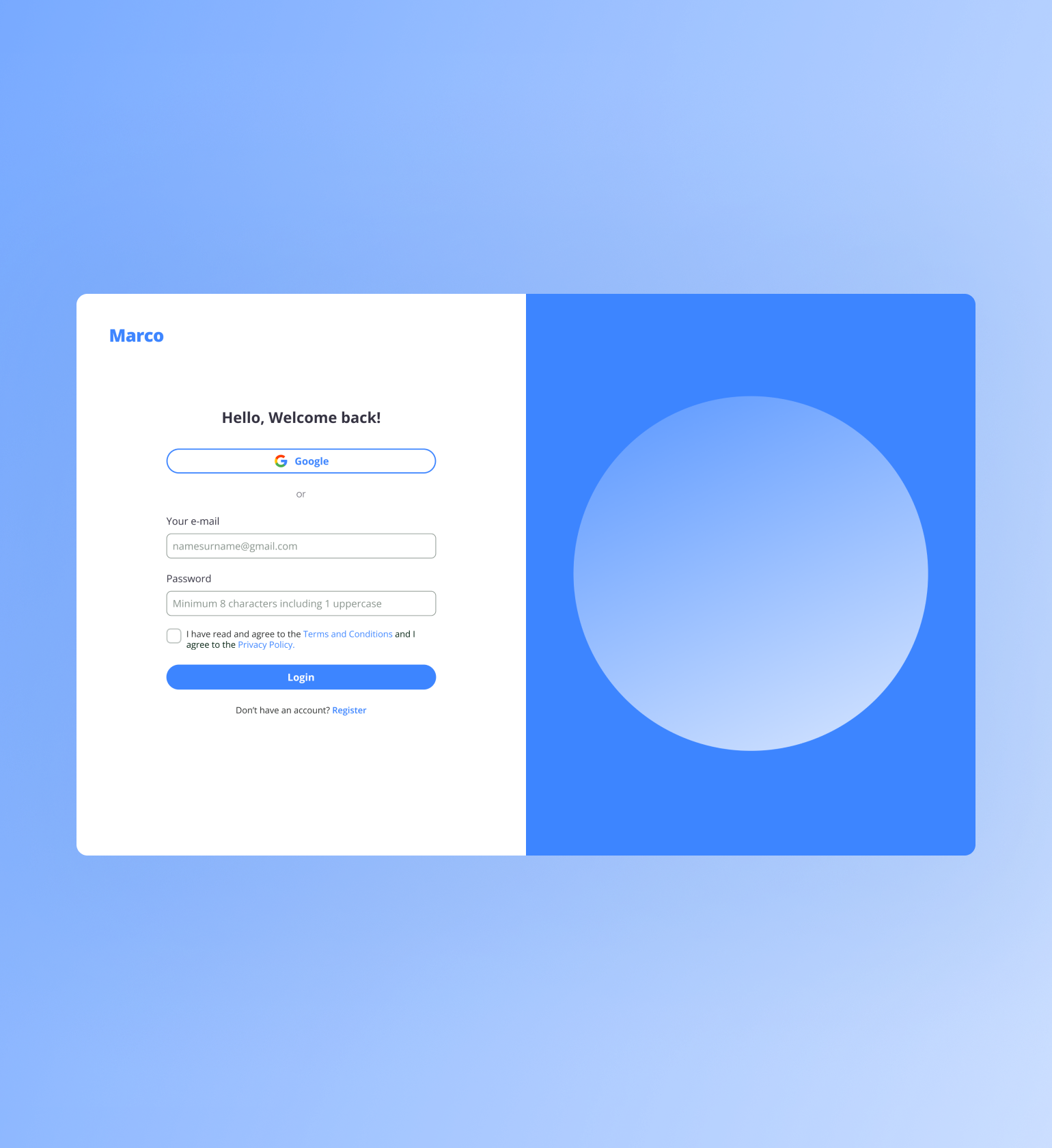
- Iterative process: Continuous testing and refinement are key to creating a successful product.
- Collaboration: Engaging stakeholders throughout the process ensures alignment with business goals.
- User-centered design: Prioritizing user needs leads to more effective and impactful designs.